

Room With A View / SPEED
From the birth of the British Grand Prix to the cutting edge of modern racing, a story of courage, ingenuity and the pursuit of speed.
‘The flag fell, unleashing with a roar the whole pack of machines, which accelerating in marvellous fashion streaked down to the railway straight leaving a plume of slowly dissolving blue smoke…’
[The Autocar, reporting on the starting line-up of Britain’s first Grand Prix, 1926]
There are places where you feel history in the architecture. Brooklands is one of them.
The track has largely disappeared now, broken into fragments by time and development, but enough survives to let the imagination do the rest.
Walk up the steep concrete of the Members’ Banking and you begin to understand what was being attempted here in 1907: not merely a racetrack, but a machine for making speed possible.
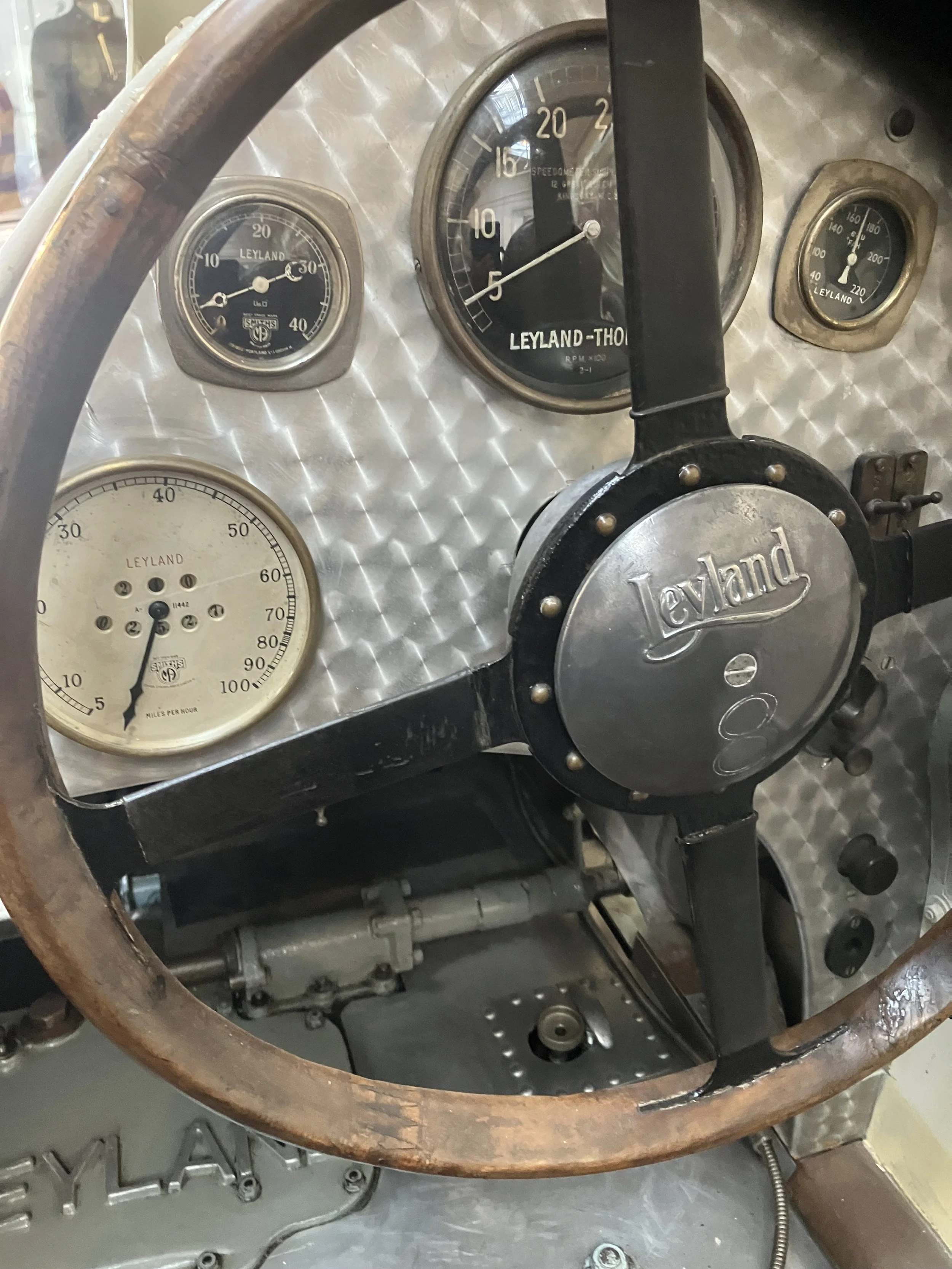
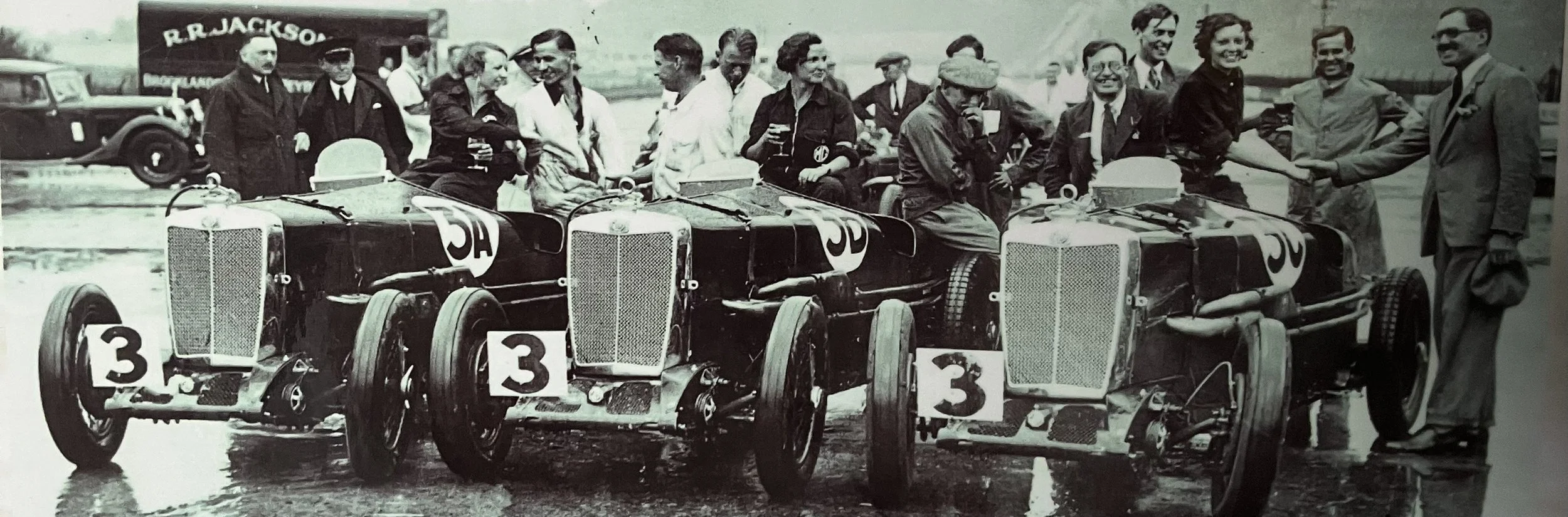
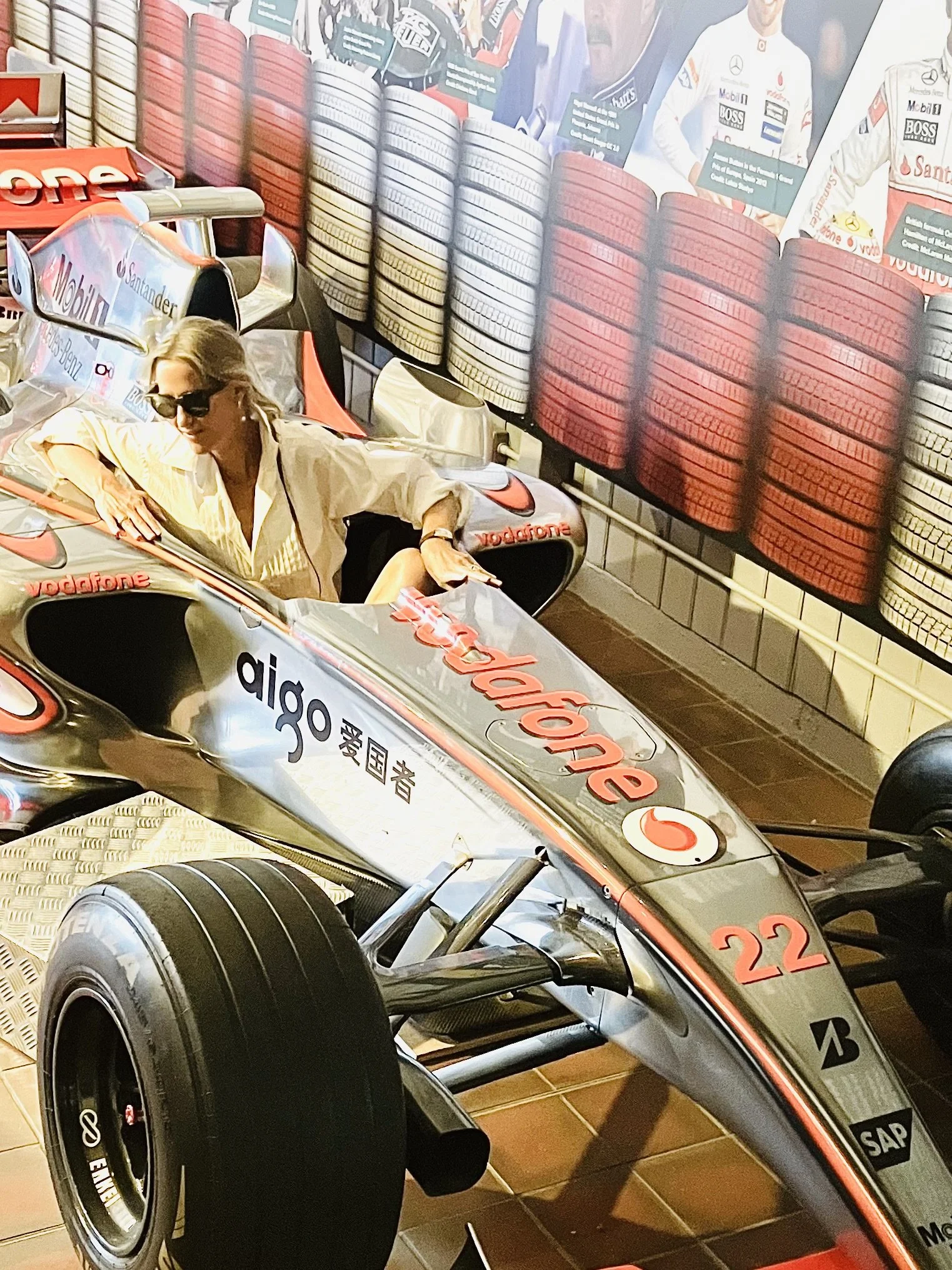
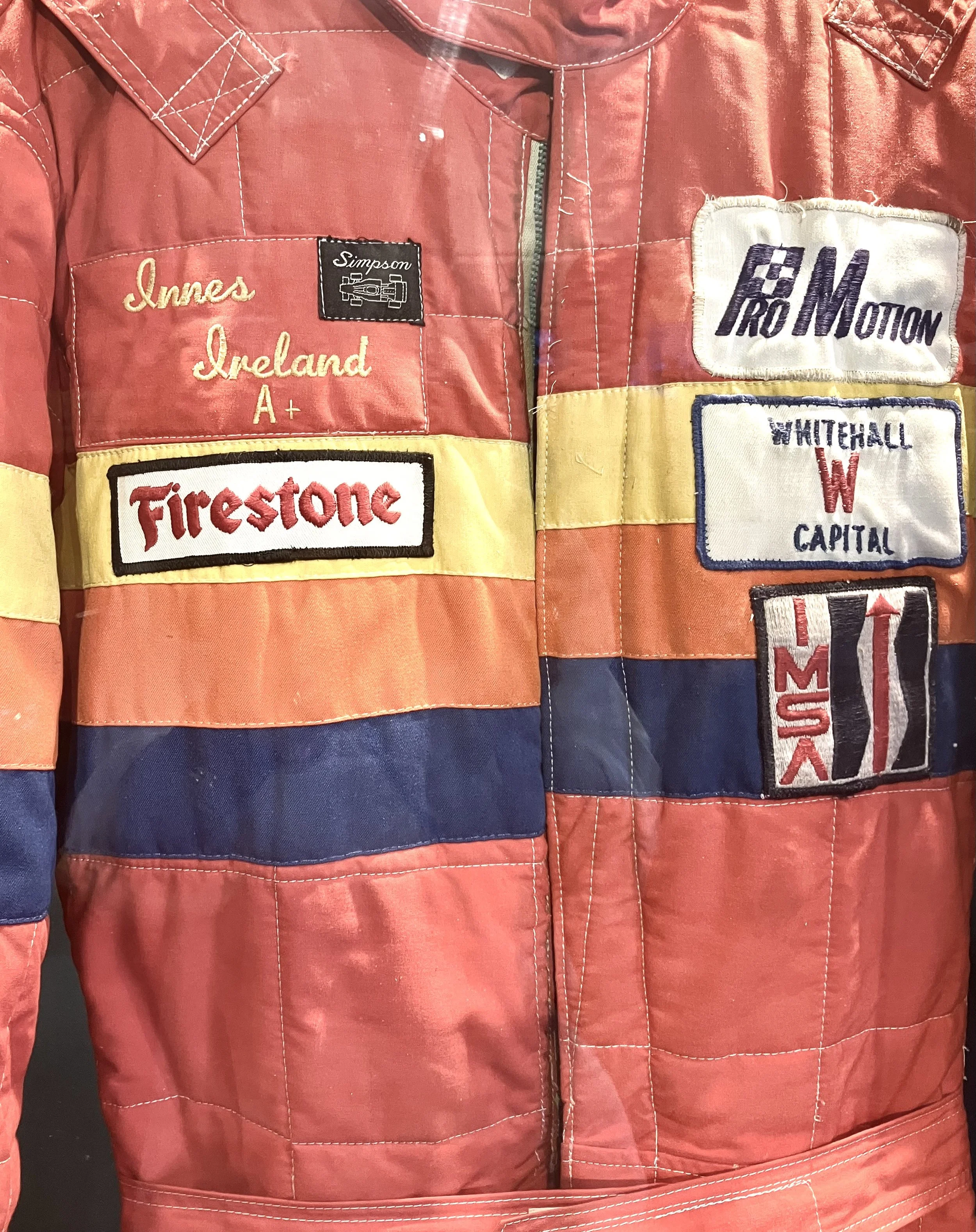
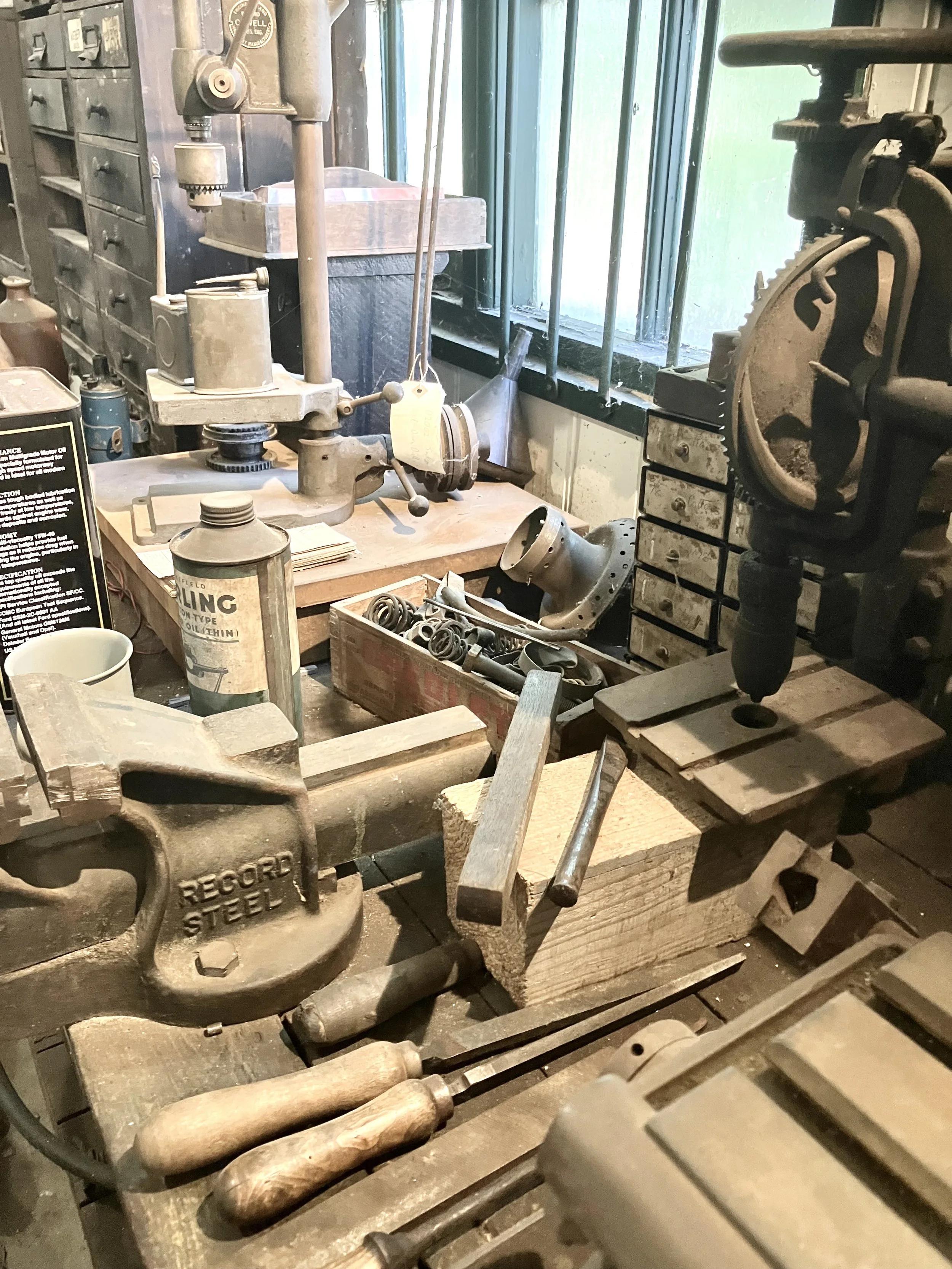
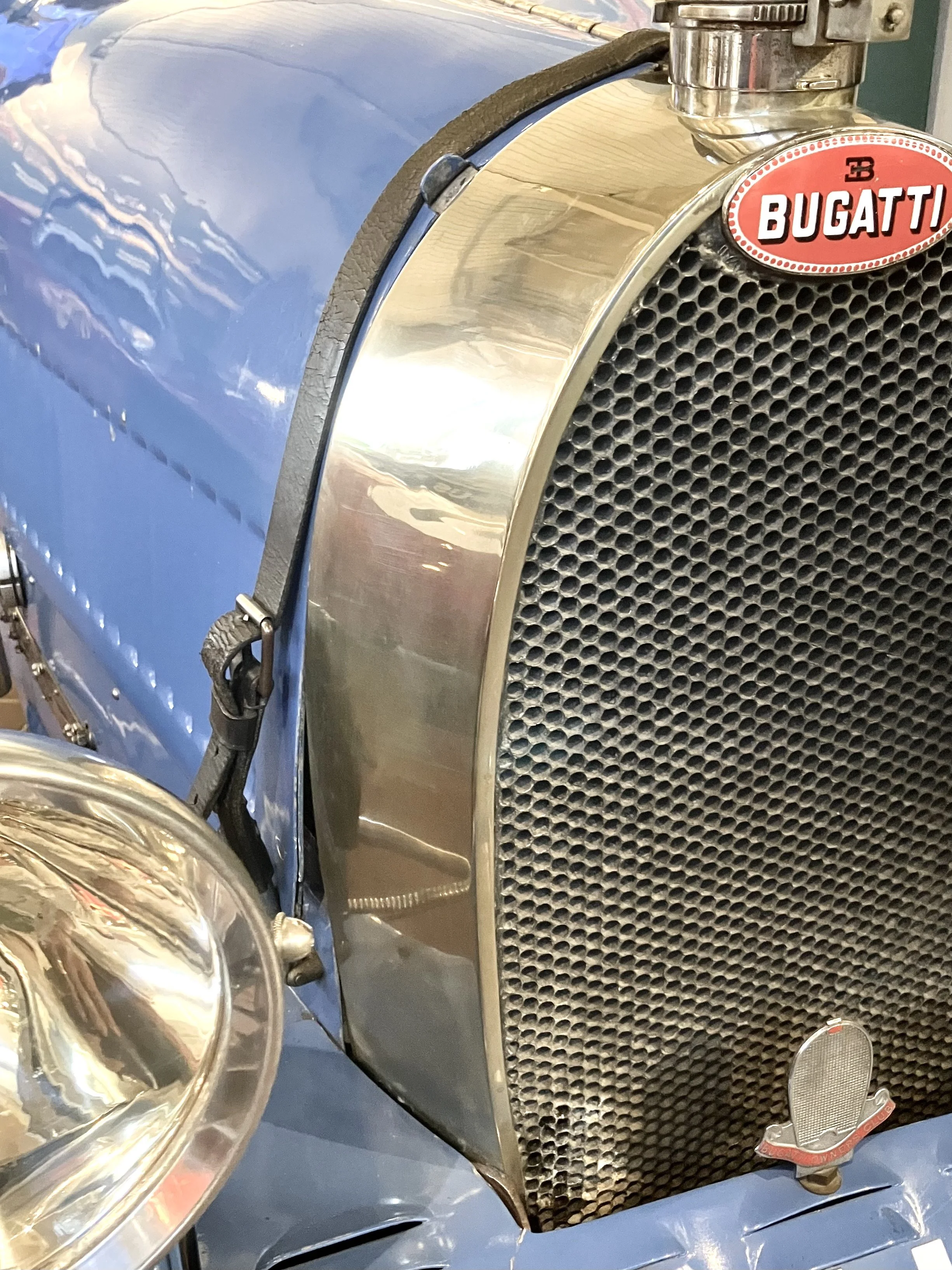
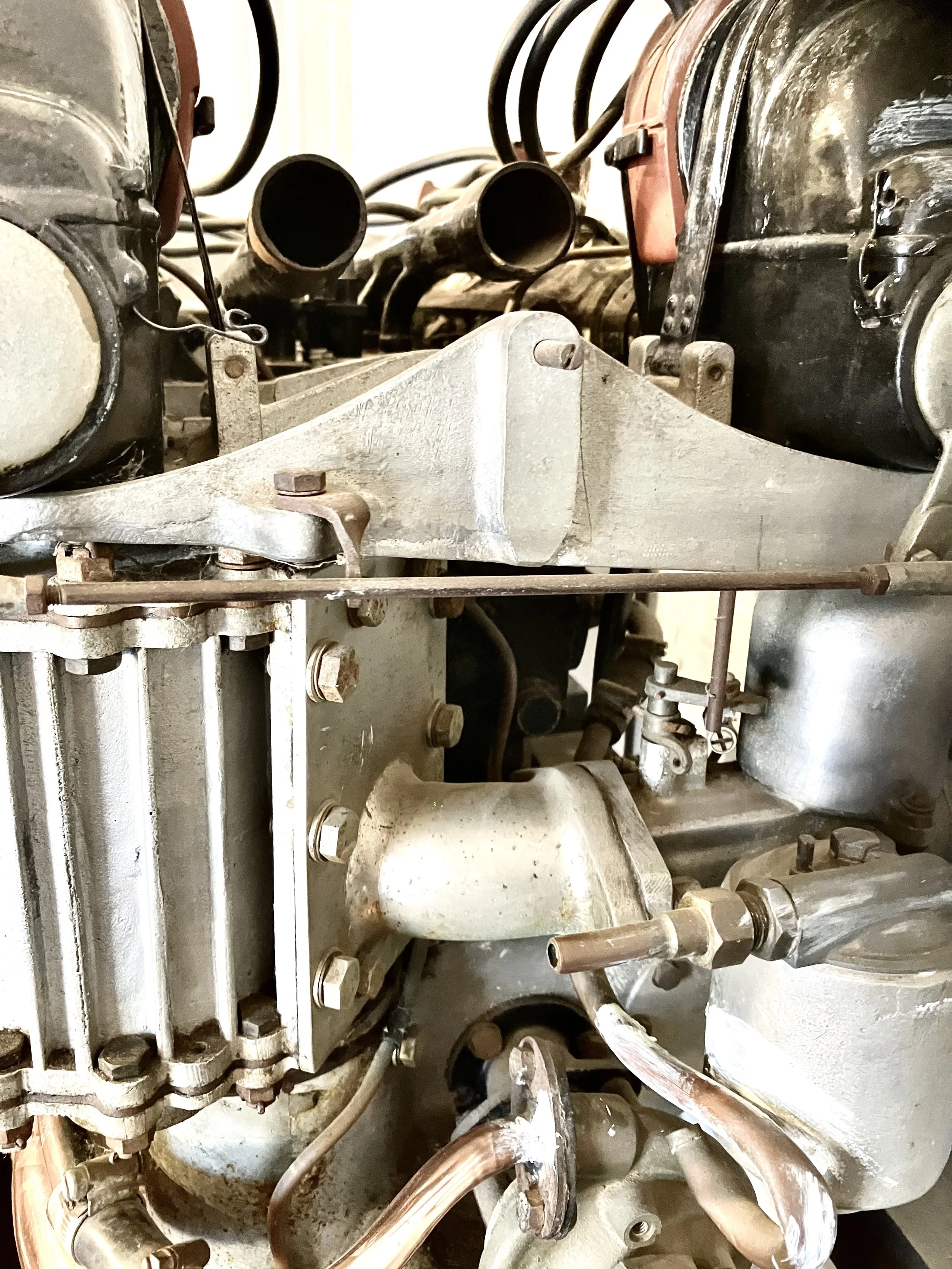
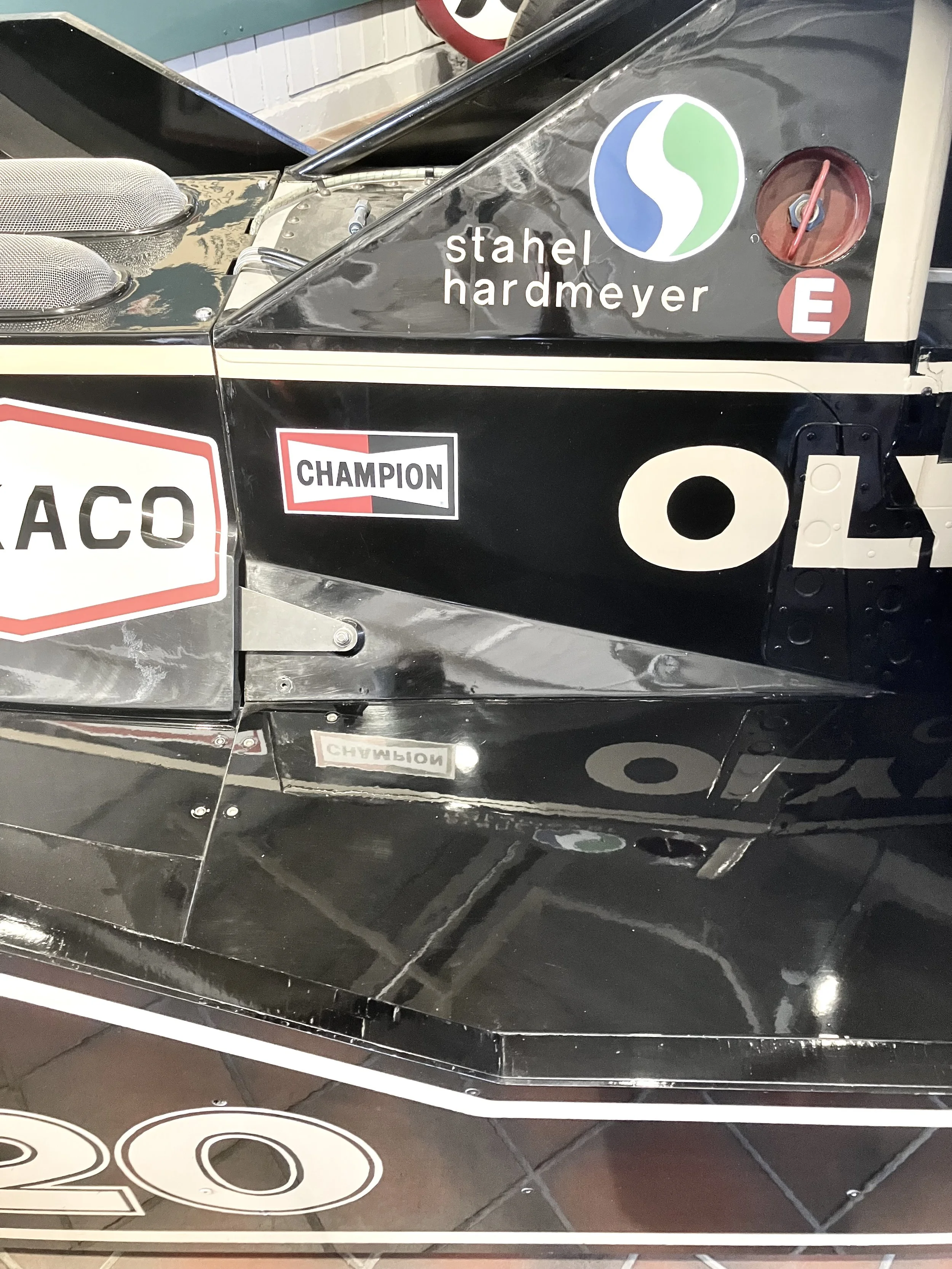
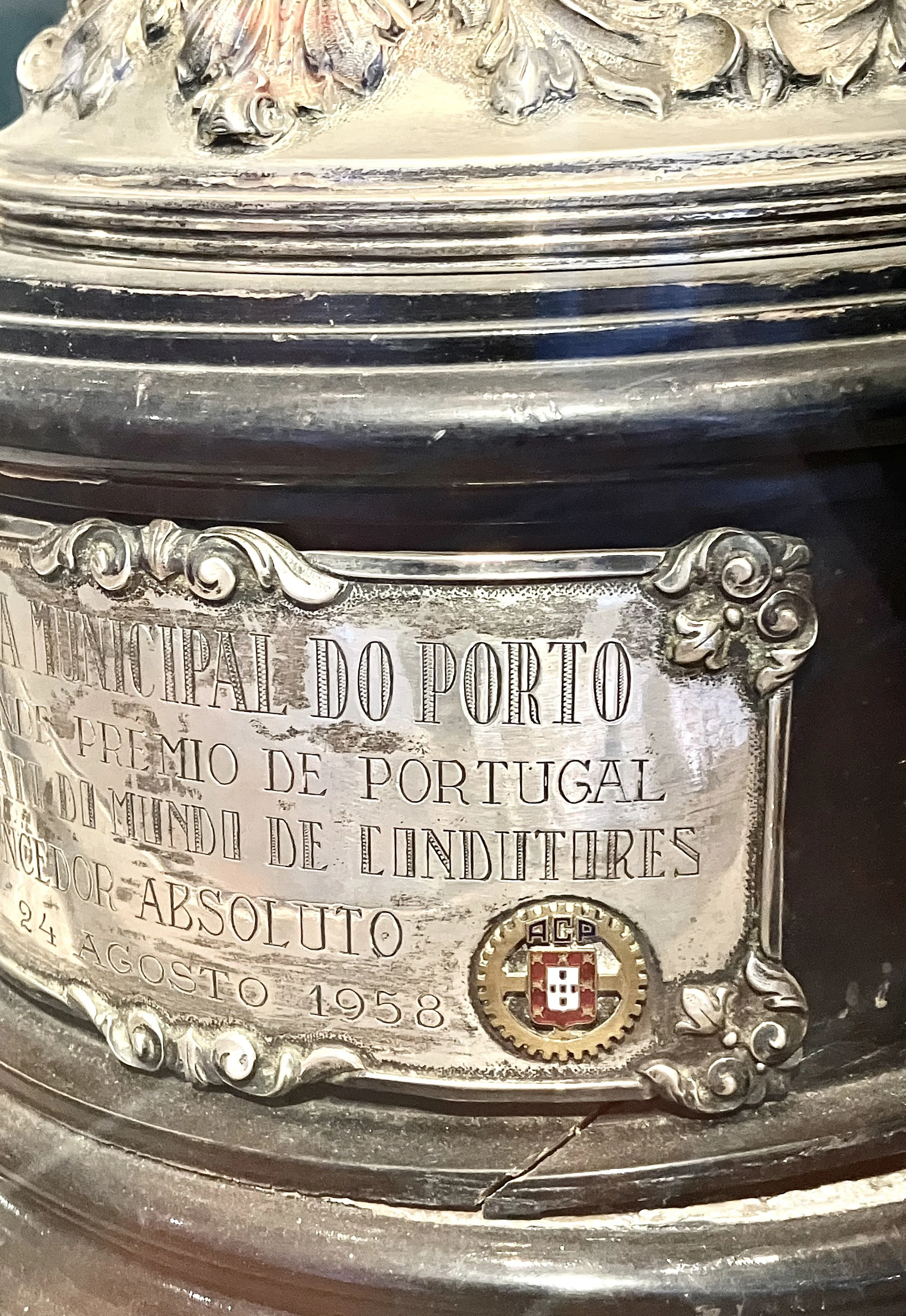
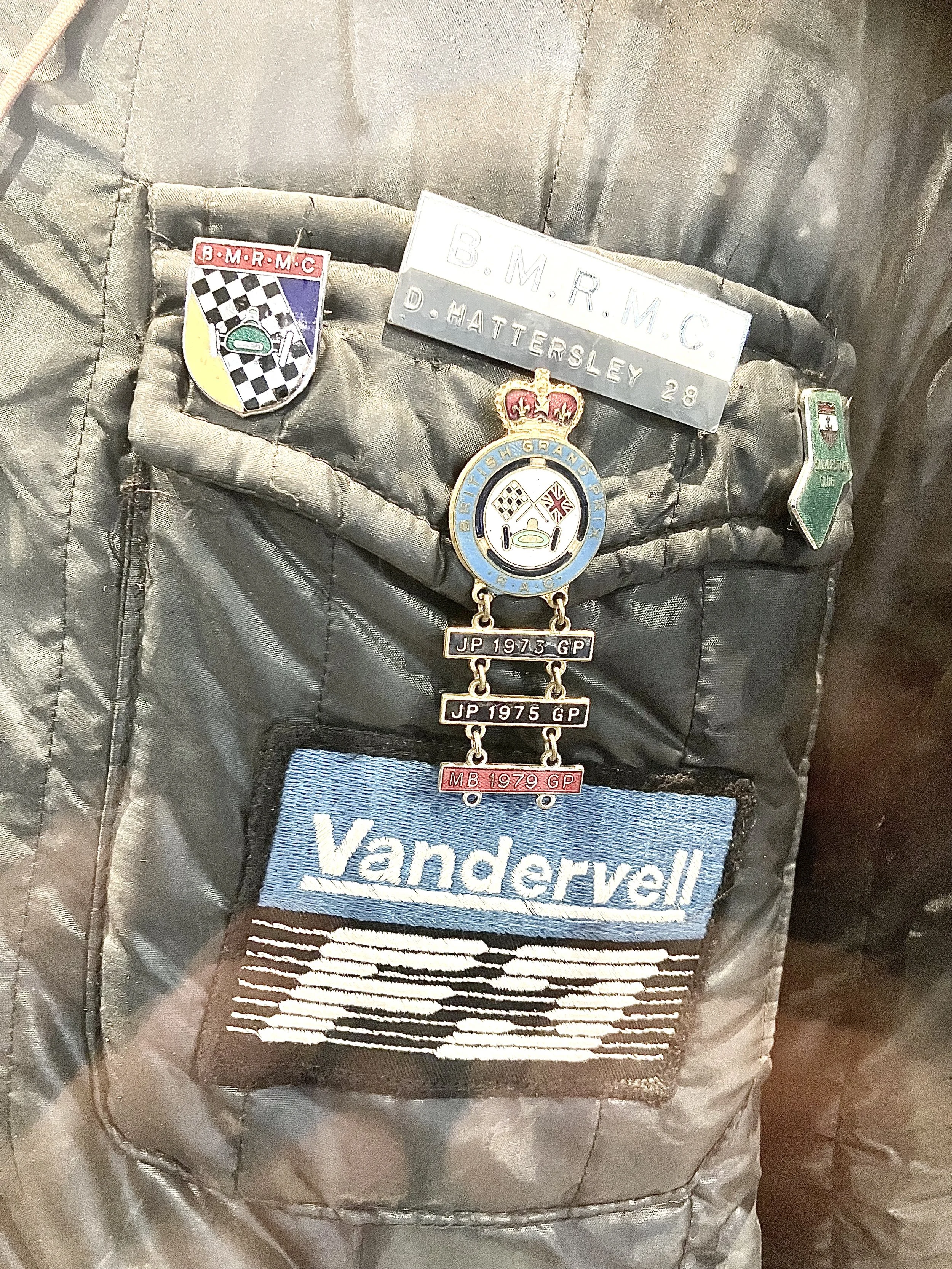
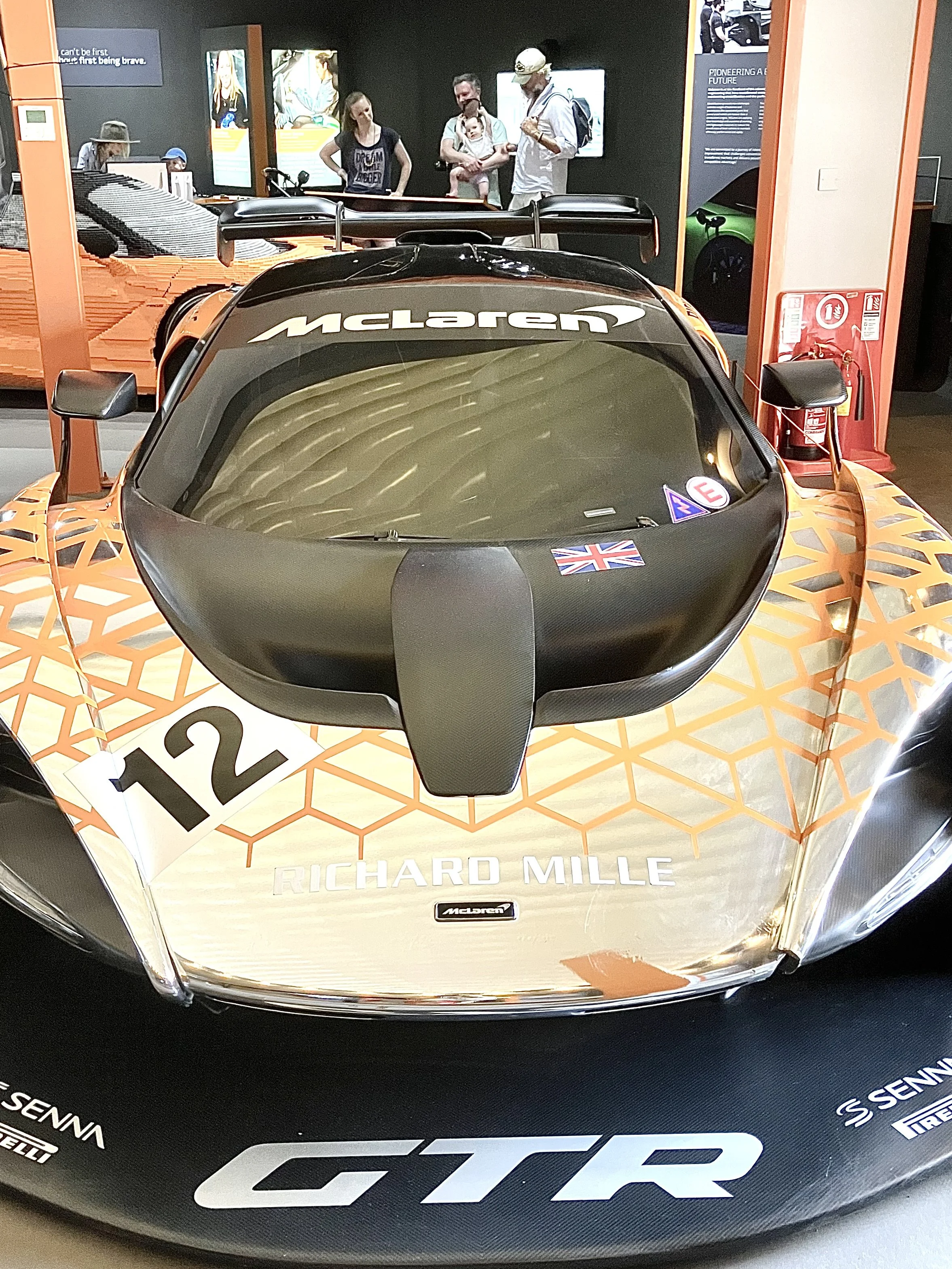
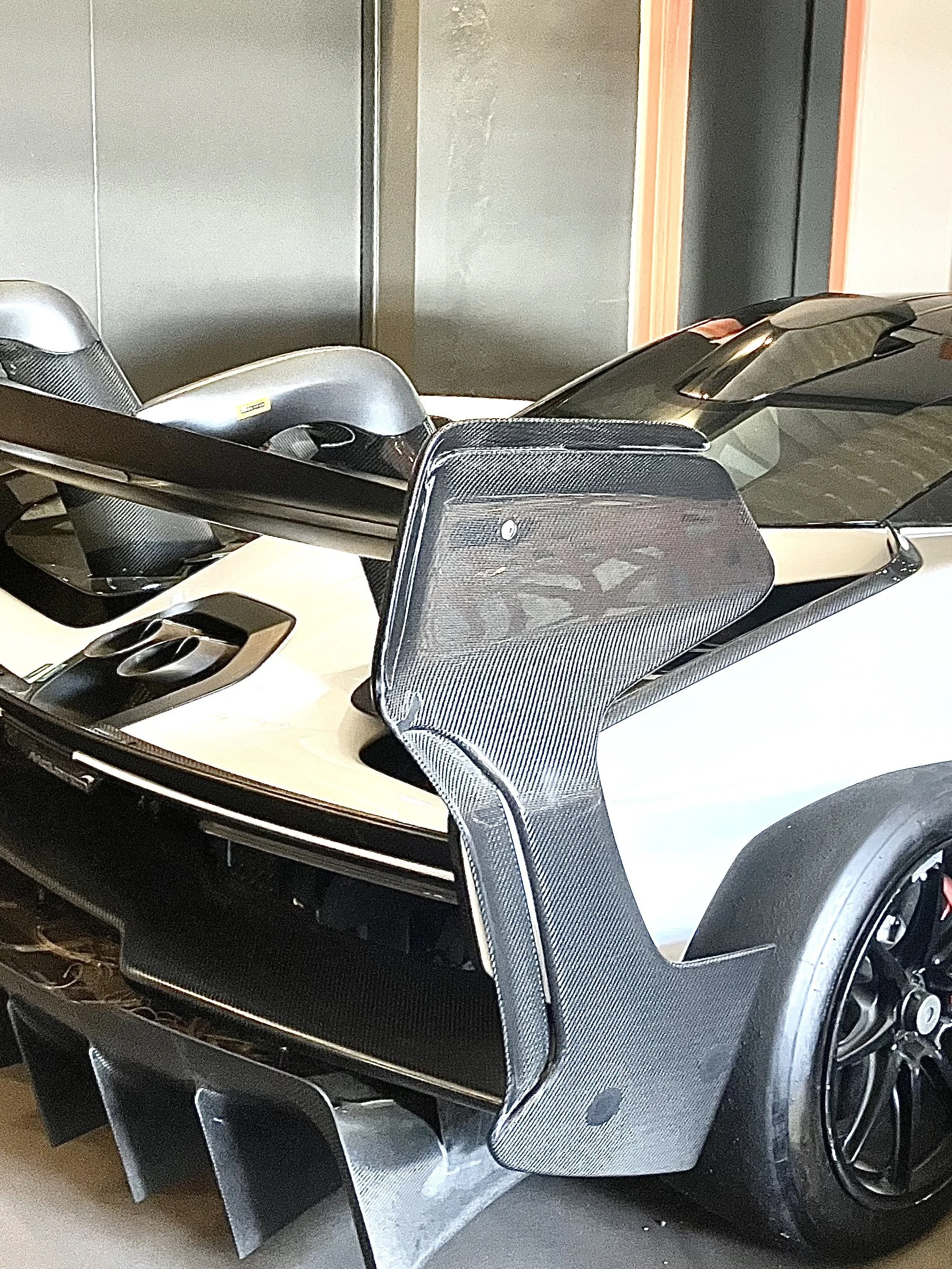
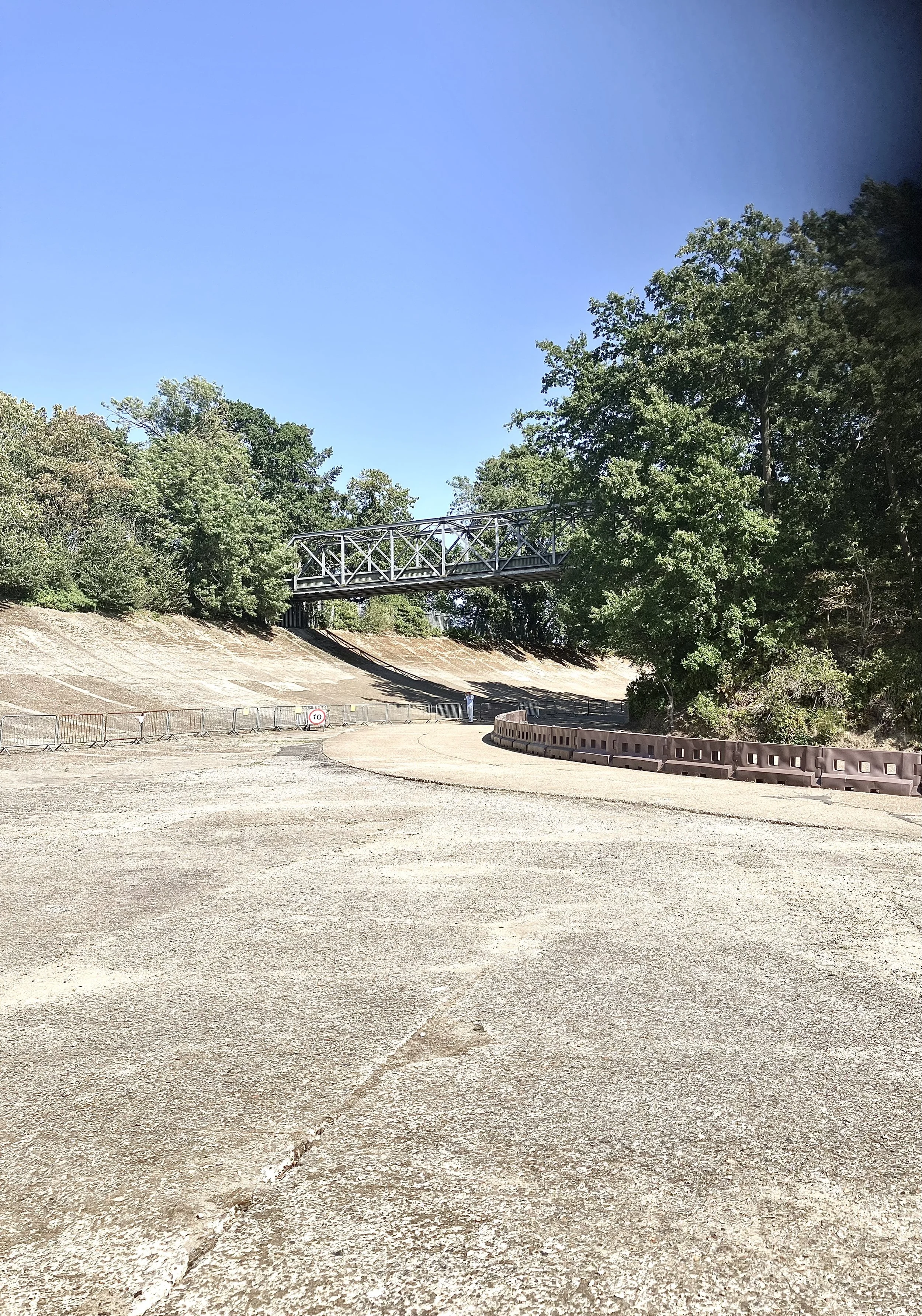
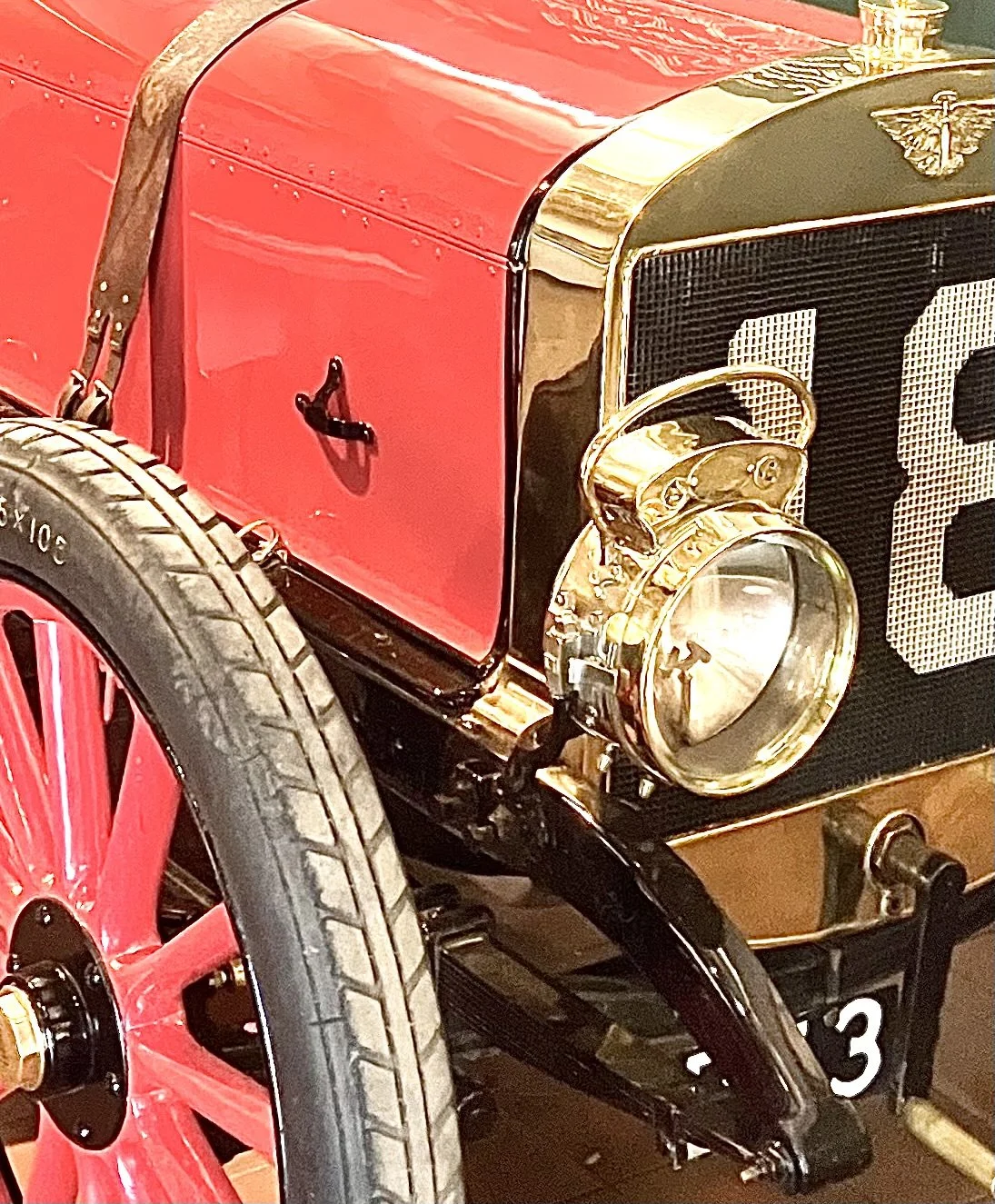
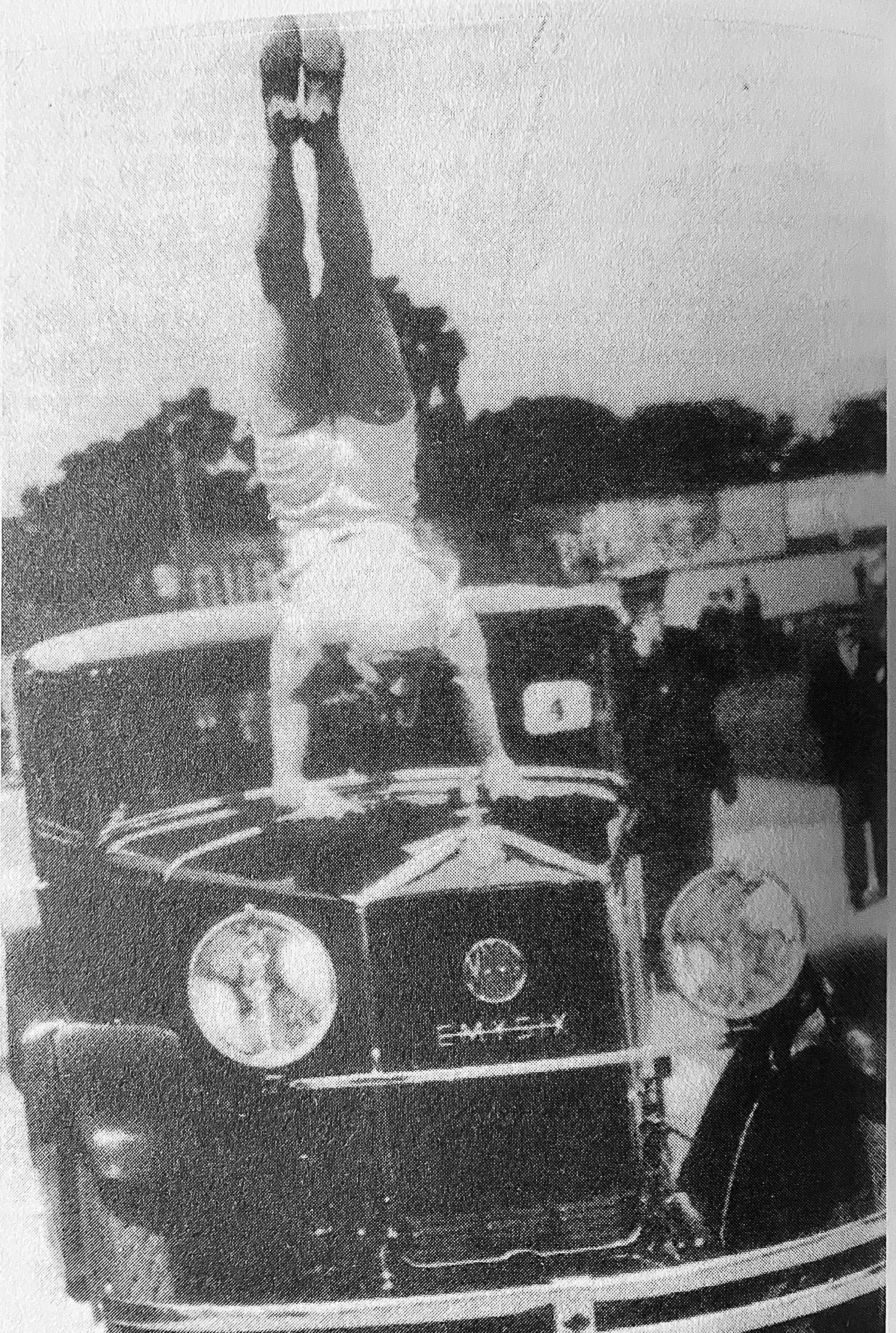
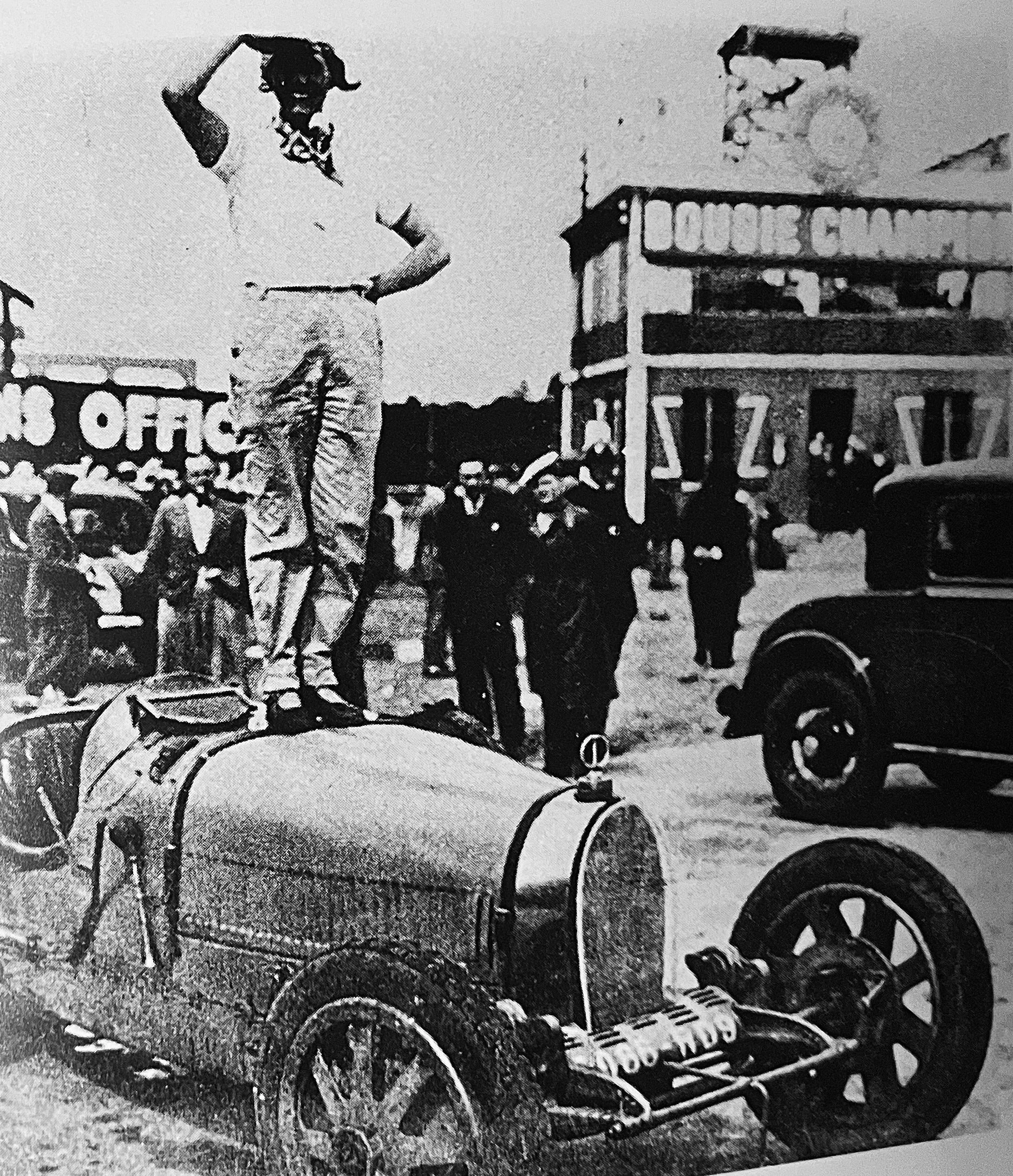
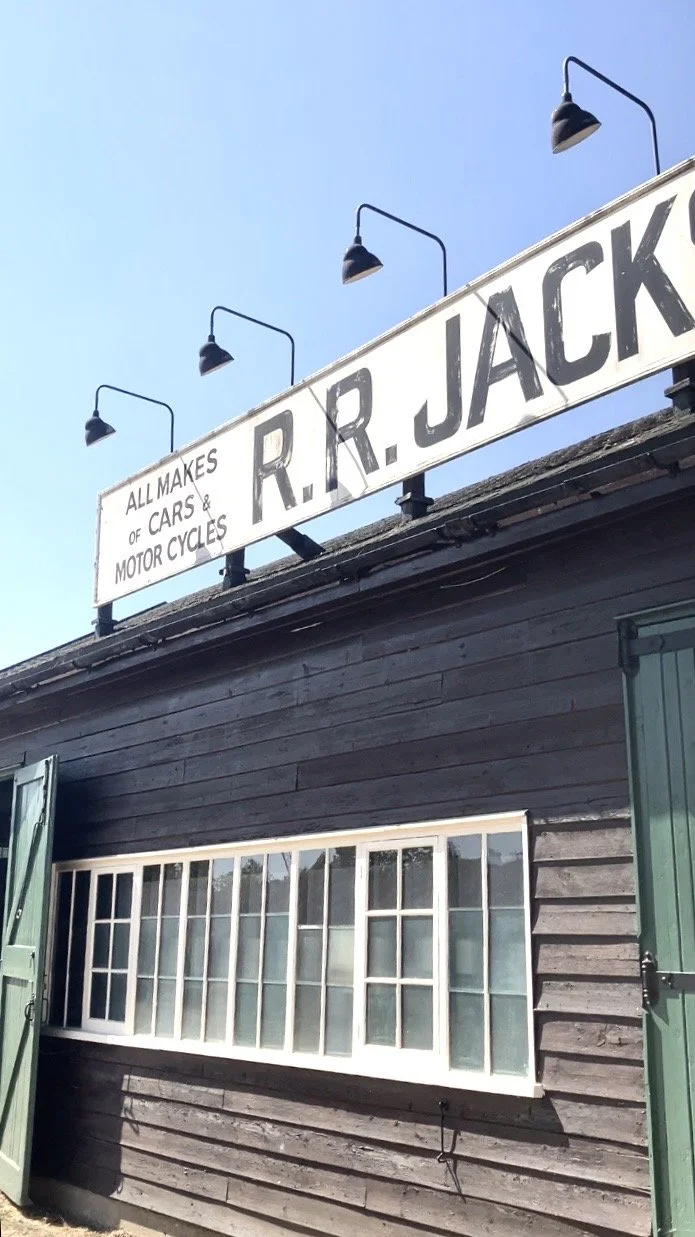
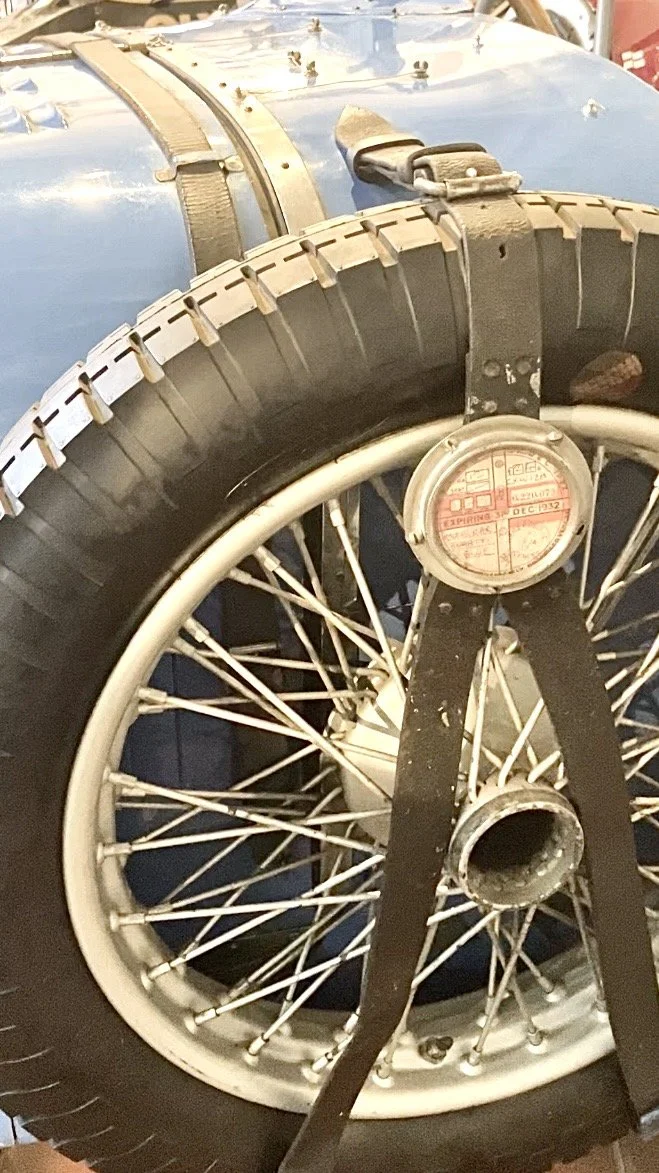
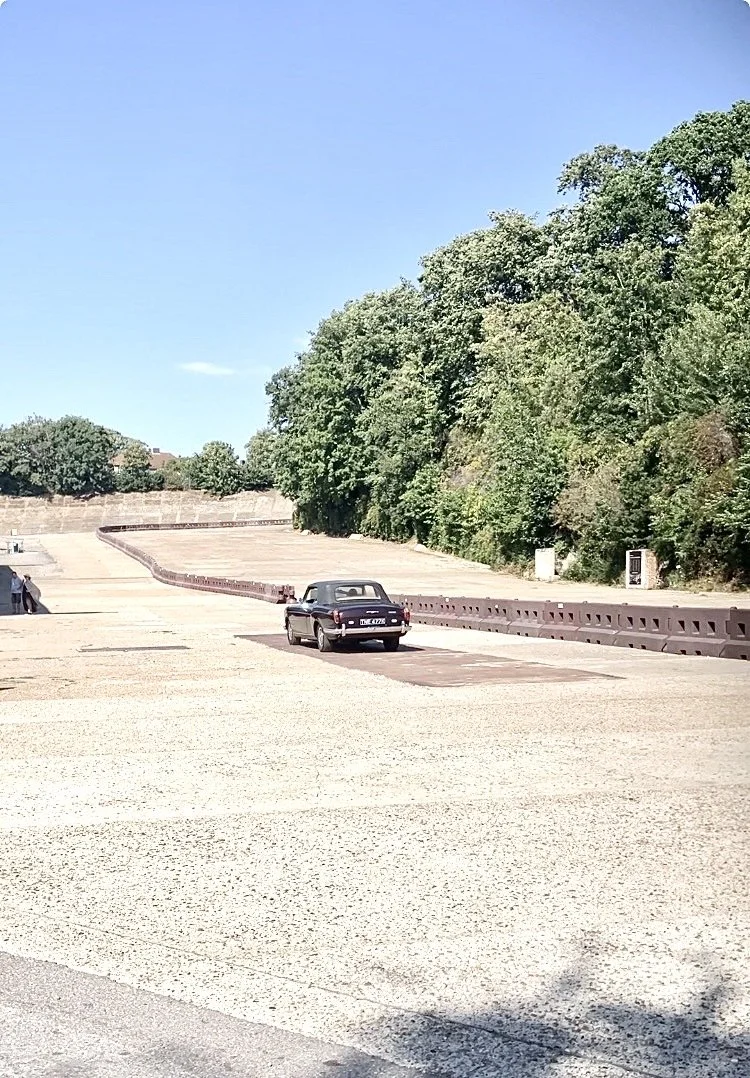
Brooklands was the world’s first purpose-built motor racing circuit. Its outer circuit was 2¾ miles long and 100 feet wide, with two vast banked curves rising to almost 30 feet. The Railway Straight ran for 880 yards beside the railway; the Byfleet Banking stretched for another 1,220 yards.
The idea was audaciously simple: if cars could not safely corner fast enough on a flat road, build the road upwards.
The concrete itself was unreinforced and notoriously unforgiving. It cracked and required continual repair. The surface developed bumps. Cars were thrown upwards and down again. Drivers were operating machinery at speeds for which neither the road nor, often, the human body had any precedent.
And that, increasingly, was what struck me about Brooklands.
Speed was never simply about going fast. It was about believing that faster was possible.
The first challenge was not to break a record. It was to imagine the record could be broken at all.
The history of Brooklands is full of people who kept moving the boundary.
Engineers altered engines, compression ratios, carburation, suspension and braking. Drivers learned how to place a car on the banking, how to exploit its gradient, how to keep the throttle open when instinct told them to lift. The machine and the human were continually testing one another.
There was nothing remotely comfortable about it.
In the 1926 Grand Prix at Brooklands, exhaust heat from the Delages became so severe that drivers’ feet were burned. One driver was forced to stop repeatedly to plunge his feet into cold water while mechanics wrapped the exhaust in asbestos.
This was before the cocooned, climate-controlled precision of the modern racing cockpit. Before carbon fibre survival cells. Before telemetry could tell an engineer exactly what a tyre was doing at Turn 6. Before a driver could climb out of a car and watch the data trace of the lap on a screen.
The machinery was mechanical in the most visceral sense.
Clutches slipped. Brakes faded. Engines overheated. Exhausts set fire to bodywork. Tyres failed. Metal fatigued. And the driver sat astonishingly close to all of it. The physical cost was part of the pursuit.
And then there were the women.
In 1921, a young Frenchwoman called Hélène Delangle arrived at Brooklands wanting to race. She would later become famous as Hellé Nice, but at this point she was still at the beginning of an extraordinary life. Her application was rejected because she was a woman.
It is one of those small historical facts that becomes larger the longer you sit with it. Because Hellé Nice did not respond by deciding that speed was not for her. She went looking for it elsewhere.
Born in a tiny French village in 1900, she moved to Paris, became a dancer, and eventually found herself drawn into the strange new glamour of the racing world. She became captivated by the combination of theatricality, danger and machinery. Ettore Bugatti noticed her talent. In the years that followed she would race Bugattis across Europe, compete in Grands Prix and become one of the most famous female racing drivers of her era.
‘Racing was what she lived for. Racing and the sun.’
[Interview with Hellé Nice, quoted in ‘The Bugatti Queen: in search of a motor racing legend,’ by Miranda Seymour]
By 1929, she was driving a supercharged Bugatti Type 35C at Montlhéry. She recorded 197.7 km/h, 122.8 mph, in what was publicised as a women’s world speed record.
It is tempting to see that figure simply as a number. But imagine 122.8 mph in an open racing car in 1929.
The engine. The vibration. The exposed wheels. The wind. The noise. The steering wheel alive in your hands. The knowledge that there was no carbon fibre survival cell between you and the consequences of getting it wrong.
Hellé Nice’s story is particularly poignant at Brooklands because the door eventually did open.
In 1932, women were permitted to compete against men in Brooklands handicap races. And once they were allowed onto the circuit, they proved very quickly that they belonged there.
Kay Petre became one of Brooklands’ great stars. She was tiny, just 4 ft 10 in, and became almost inseparable in the public imagination from an enormous 10½ litre V12 Delage. The contrast was extraordinary: a diminutive woman sitting inside a machine designed around a gigantic engine, with the pedals extended and the seat altered to fit her.
In 1934 she took the women’s outer circuit record to 129.58 mph.
Then came the duel with Gwenda Stewart.
Petre pushed the Delage to 134.75 mph in August 1935. Three days later Stewart returned in her supercharged 2 litre Derby Miller and recorded 135.95 mph, the all time women’s Brooklands lap record.
Only two women earned Brooklands’ coveted 130 mph badge between 1928 and 1939.
Petre and Stewart.
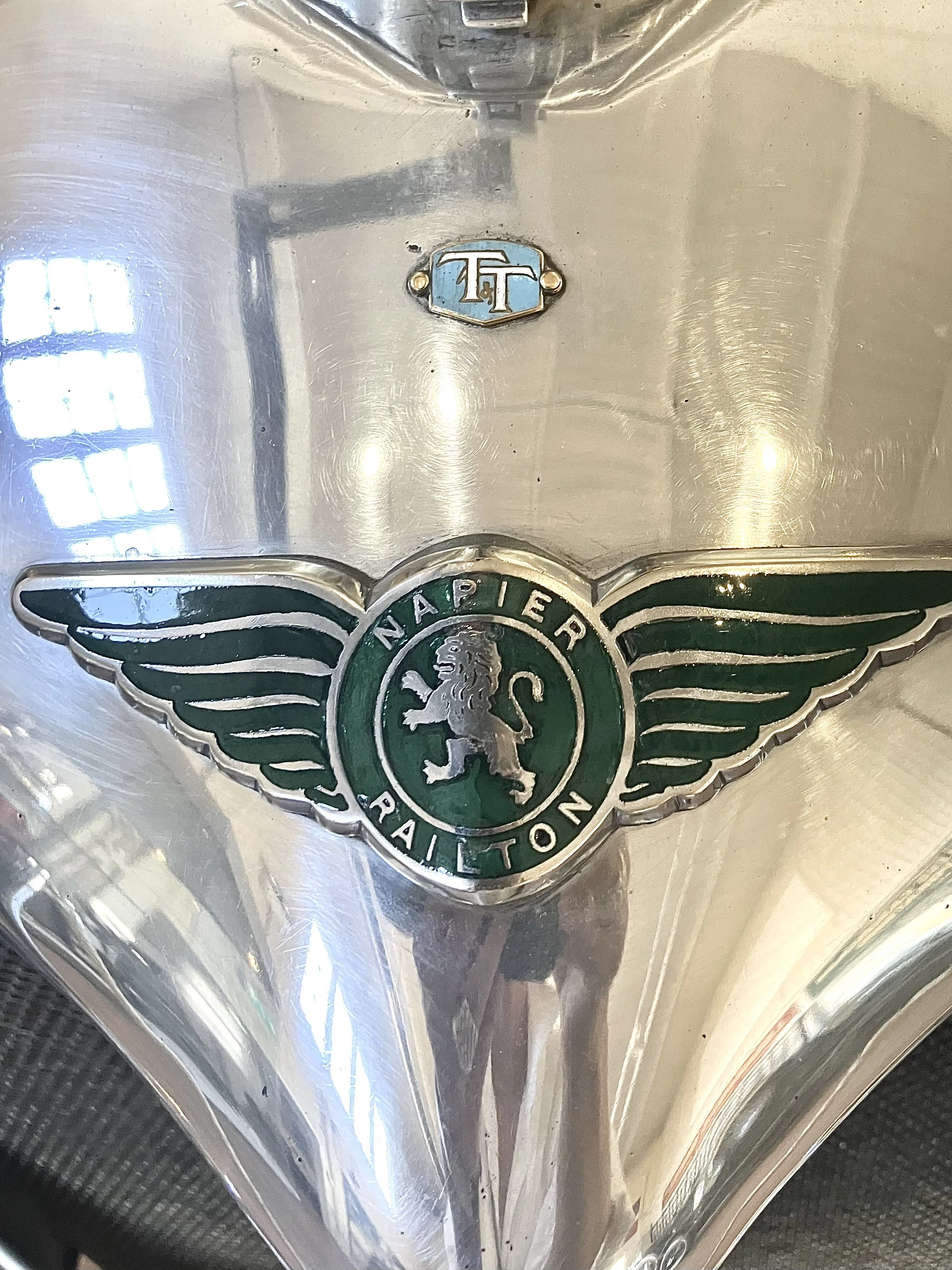
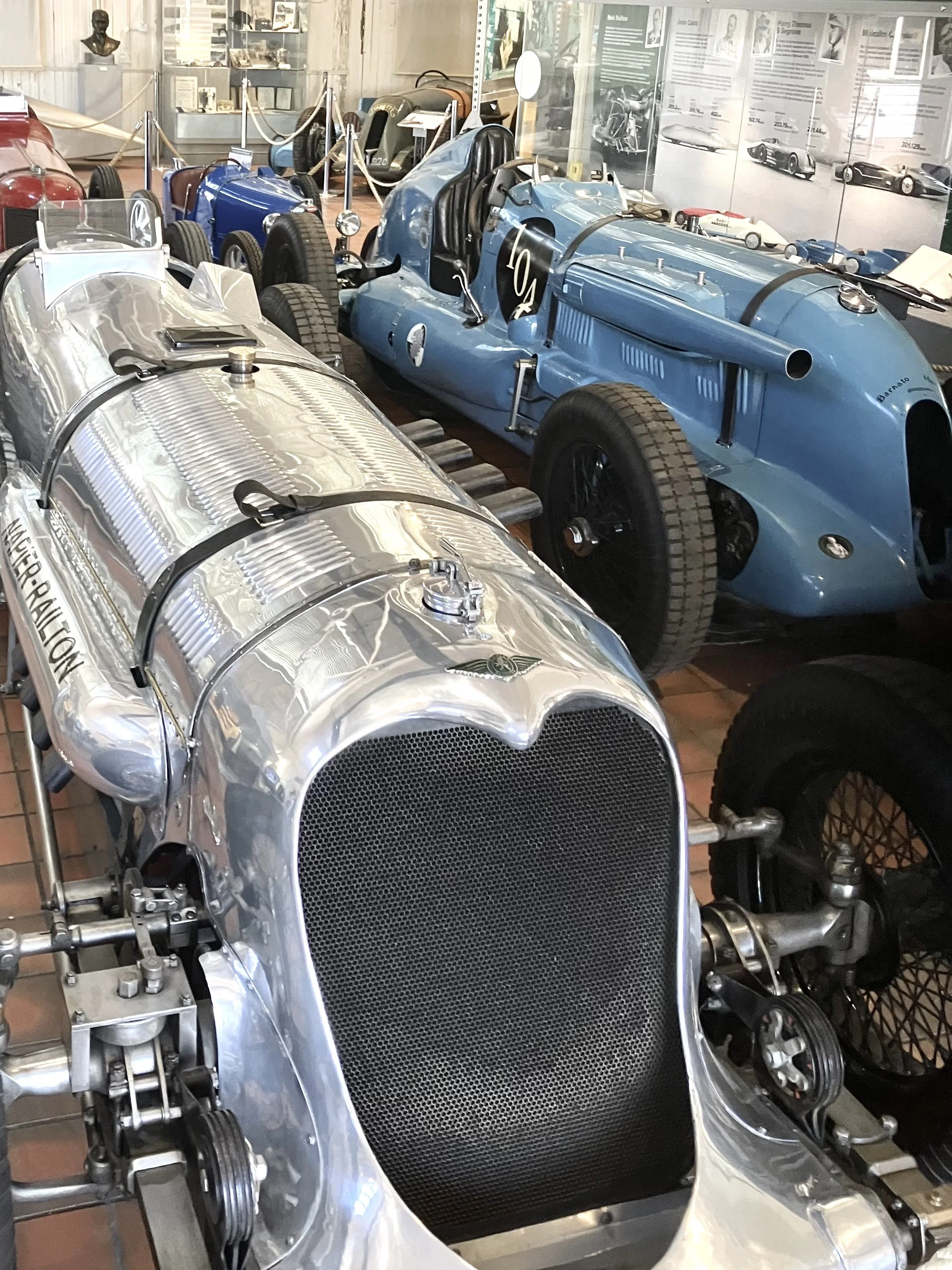
The outright Brooklands record belonged to John Cobb, who in October 1935 lapped the outer circuit at 143.44 mph in the extraordinary 24 litre Napier Railton, also on view in all its glory at Brooklands. On the same day he reached 151.97 mph on the Railway Straight.
Suddenly the scale becomes comprehensible. Stewart’s 135.95 mph was not some distant approximation of male performance. It was within roughly eight miles an hour of the outright lap record. The difference was not a difference in ambition.
It was a difference in machinery, opportunity, regulation, and increasingly, engineering.
But Brooklands was never only about racing. Its culture of experimentation extended into aviation and, during the Second World War, was turned towards necessity. Aircraft were built and tested here, bringing the same restless instinct for experimentation from the track into the air.
The same question remained: how far can we push what a machine can do? The track had become a laboratory. They dreamed it. They built it. They drove it.
At Brooklands the most interesting objects here are not simply old cars. They are evidence of a thought process.
What if?
What if the engine could be made more powerful? What if the body could be lighter? What if the banking could carry another ten miles an hour? What if the driver could stay on the throttle? What if the airflow could be controlled?
What if the limit we have accepted is not actually the limit?
That question takes you surprisingly naturally from Brooklands to McLaren.
In the McLaren Experience gallery the atmosphere is entirely different. The concrete banking has become glass, carbon fibre and data. The exposed mechanical violence of early motor racing has become something almost impossibly precise, but the mindset is familiar.
‘There’s always a better way. The question is whether you are prepared to find it.’
The modern Formula 1 car is no longer simply an engine attached to four wheels. It is an aerodynamic system. A structure. A computer. A thermal management problem.
A study in materials and, above all, a study in air.
A modern wind tunnel is a racing laboratory. A 60% scale model is suspended above a rolling road while airflow is circulated around it. Aerodynamic efficiency and balance, cooling and component optimisation can be investigated before a car ever reaches the circuit.
The difference from Brooklands in its heyday could hardly be greater. Yet the underlying question is almost identical.
How do we go faster? The answer has simply become more sophisticated.
At Brooklands, the solution might be a larger engine, a new supercharger, a different gear ratio or a driver learning to hold a line on the banking. At McLaren, it might be a fraction of a degree of wing angle. A different floor geometry. A change in suspension behaviour. A few millimetres of carbon fibre. A new interpretation of airflow. A data trace revealing something invisible to the naked eye.
Every millimetre matters. Every gram matters. Every fraction of a second is interrogated.
‘You can’t be first without first being brave.’
It is a sentence that could almost have been written on the wall of Brooklands racetrack.
Because bravery is not simply recklessness. At its best, it is the willingness to enter territory where the answer is not yet known.
That is what makes speed so fascinating. The number itself is almost beside the point.
122.8 mph.
135.95 mph.
143.44 mph.
151.97 mph.
They are milestones in a conversation between human imagination and physical reality. And perhaps that is why, when I look at the photographs of Brooklands, I keep thinking about something much closer to home.
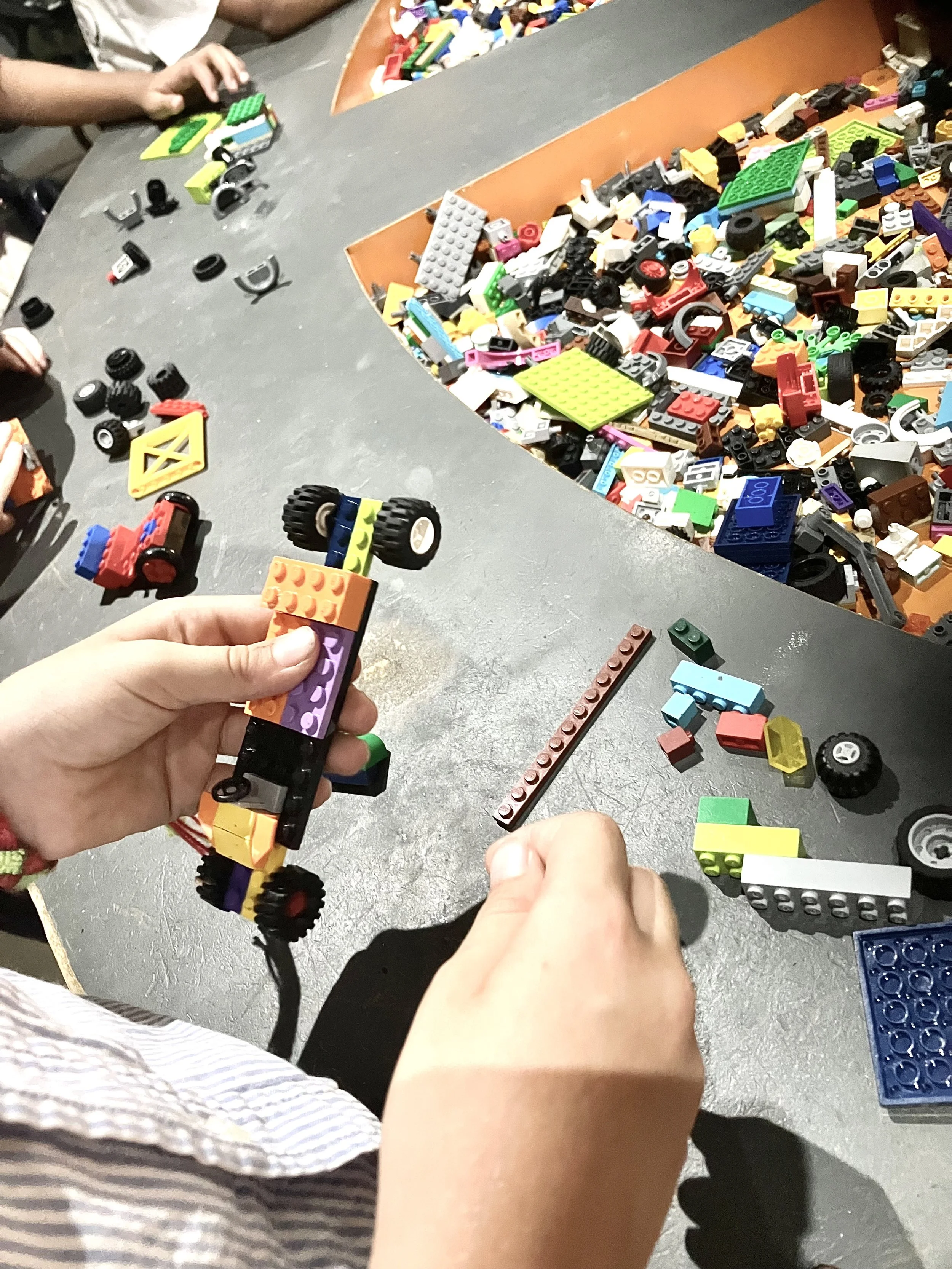
My eight year old son built his own supercar out of LEGO. It has none of the horsepower, downforce or telemetry of a McLaren. It has no wind tunnel. No carbon monocoque. No hybrid power unit. It will not touch 200 mph.
But the instinct is exactly the same. Here is a pile of pieces. What could this become?
Build. Test. Change it. Make it faster. Make it better. Start again. The distance between a child’s LEGO supercar and a modern Formula 1 machine is enormous. And yet they are connected by the same human impulse: the pursuit of the seemingly impossible.
That is what I came looking for at Brooklands, and what I found again at McLaren: not simply a history of racing, but a history of refusal.
Refusal to accept the existing limit. Refusal to believe that the current machine is finished.
Refusal to stop at good enough.
In 2026, Brooklands is celebrating 100 years since Britain’s first Grand Prix was held here in 1926, the race that laid the foundations for a century of British Grand Prix racing. Today, the machines have changed almost beyond recognition, but the appetite for speed, competition and innovation remains.
Brooklands was built because engineers and motorists wanted somewhere to test what cars might become.
Its banking was a physical declaration that the road could be redesigned around the ambition of the machine.
A century later, McLaren’s engineers are still redesigning the relationship between machine, driver and air. The track has become a laboratory. The stopwatch has become data. The mechanic’s spanner has become computational fluid dynamics. The leather helmet has become a carbon fibre survival cell and halo.
‘You will never know the feeling of a driver when winning a race. The helmet hides feelings that cannot be understood.’
[Ayrton Senna]
Somewhere beneath all that technology is the same primitive human desire. To go further. To see what happens if we try. To find the better way.
And perhaps that is the real meaning of speed?
Not how quickly we arrive. But how bravely we imagine where we might go.
Viewfinder: Speed
Look closely at the concrete of the Members’ Banking, the surviving racing line, the old Clubhouse and the machinery that still carries the scars of speed. Brooklands rewards the details as much as the spectacle. Getting there: Brooklands Museum is open to visitors throughout the year, with exhibitions, the circuit and simulator experiences available to explore.
On The Road
Relive the excitement of Brooklands' golden age by taking the wheel of a classic car on the grounds of the world's first purpose-built motor racing circuit,
Roomkey
Stay beside the circuit at Brooklands Hotel, or take the idea abroad to the Belle Époque glamour of Hôtel Hermitage Monte-Carlo, where the Grand Prix literally runs through the landscape outside.
The Table With a View
Back at Brooklands, the 1907 Restaurant, Bar & Grill makes the obvious post-race landing point: a meal in the shadow of the circuit that takes its name from the year the track opened.
Windowseat
The new Britain’s Grand Prix Story exhibition is the essential stop in this centenary year. Then take the driver’s seat in the new Brooklands Simulator and try the original circuit for yourself, choosing from cars including the 1926 Grand Prix-winning Delage, a McLaren P1 and the McLaren MP4/6.
Future Frame: For The Global Citizen
Speed has a cost. The next chapter of racing has to be about what we choose to do with the extraordinary engineering it has produced.
There is another way of thinking about sustainability that feels particularly relevant at Brooklands: the value of keeping something alive. A classic car is not simply an old machine, but a piece of industrial design, engineering and social history, its beauty inseparable from the story it carries: where it has travelled, who has driven it, and the hands that have kept it going.
Of course an historic racing engine will never have the efficiency of a modern electric powertrain, yet the greatest environmental cost is often incurred before a car ever turns a wheel, through the extraction of materials, energy of manufacture and production of its components. Preserving, repairing and continuing the life of an existing machine is, in its own way, an argument against disposable culture.
Perhaps the answer lies in taking the ingenuity, beauty and lessons of the past with us, while finding a cleaner way to keep the story moving.